
Geotechnical monitoring is critical to the successful implementation and completion of projects. Through the use of instruments, geotechnical engineers monitor many parameters to assess the performance of the geotechnical system in place during the installation period and in the long term.
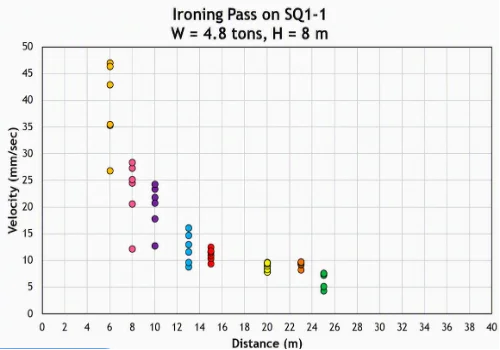
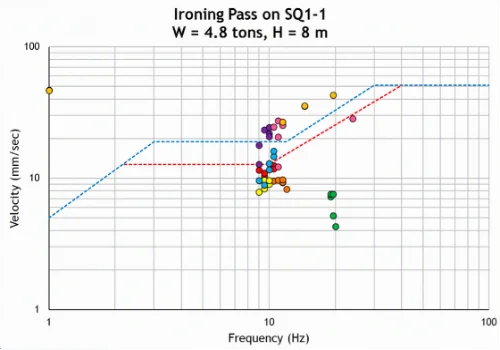
During the implementation phase of ground improvement solutions, geotechnical monitoring serves to:
Post-implementation of the ground improvement solutions, geotechnical monitoring serves to:
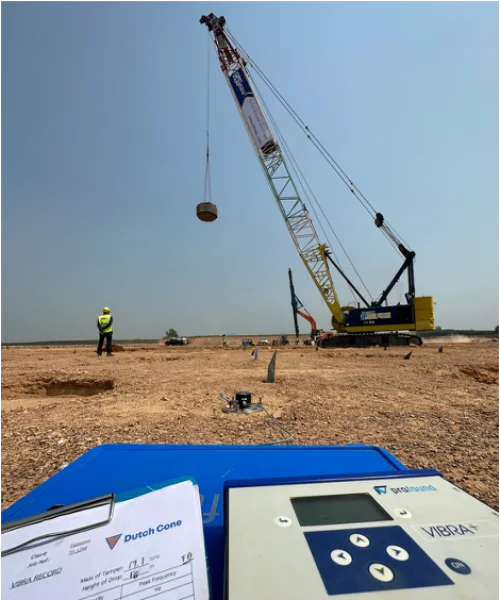
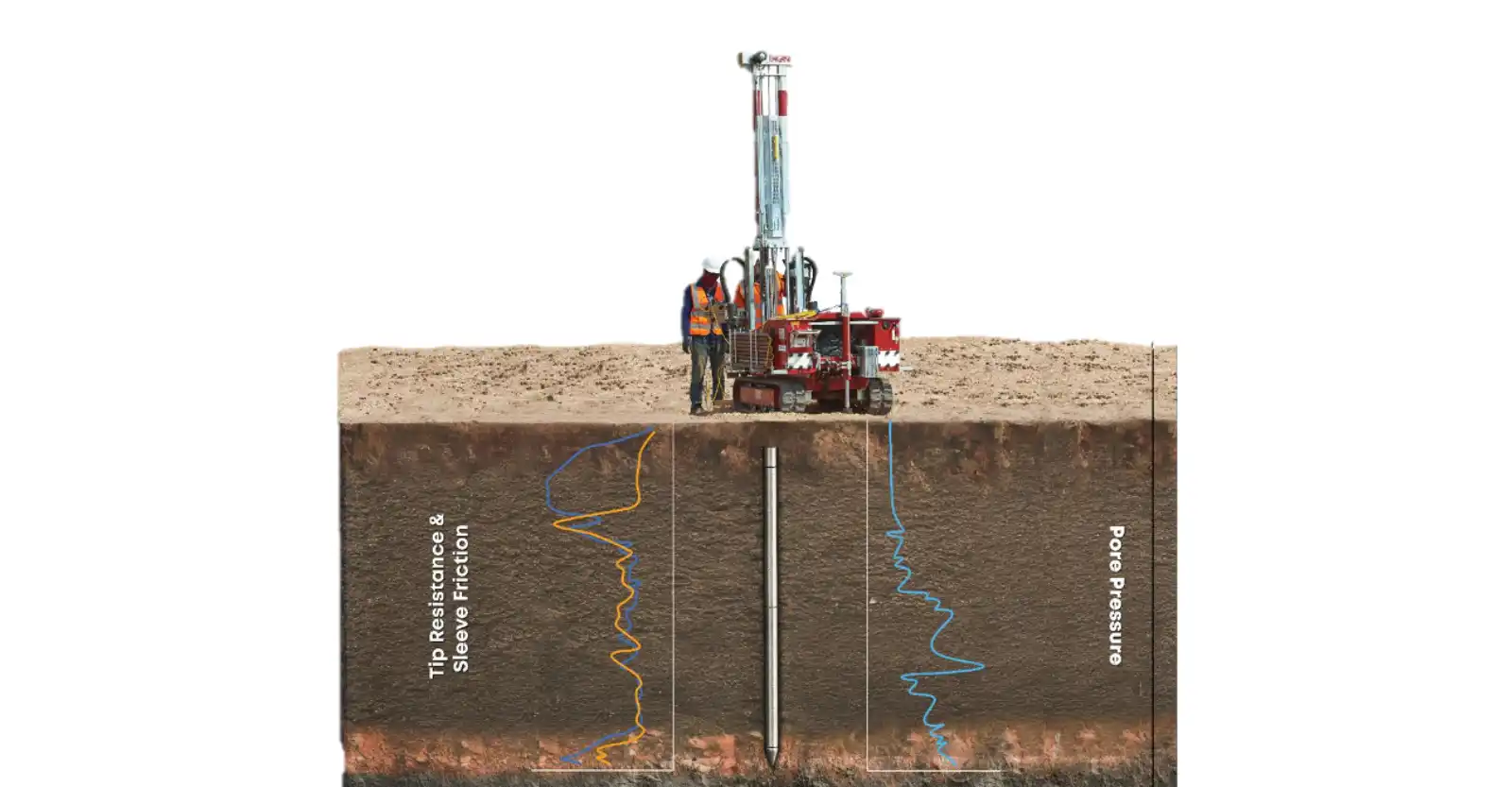
Parameters monitored include soil deformations, vertical and lateral ground movements, stresses on structural elements, vibration levels, pore pressure, groundwater pressure and levels, etc.
Instrumentations used for monitoring include the piezometer, inclinometer, extensometer, water standpipes, settlement markers, optical surveys, strain gauges, etc.
As an independent third party, ConeQuest offers both instrumentation installation (including planning for the strategic positioning of the instruments) and long-term monitoring of the data. Contact the ConeQuest geotechnical team today to find out how we can assist with your project.
We provide high-quality services you can trust. Serving you better since 2022!

